Archive for the chemical weapons Category

Sheehan Speaks in U.S. Senate on Iran Policy

Posted in advisory board, analysis, arak, ashraf, assad, baghdad, ballistic missiles, bioterrorism, bipartisan, briefing, brussels, c-span, camp liberty, chemical weapons, CIA, civil unrest, clinton, congress, counterterrorism, covert, crimes against humanity, delisting, democracy, deterrence, diplomacy, dissident, Dr. Ivan Sascha Sheehan, european union, farsi, fordow, foreign policy, foreign policy analysis, freedom, fundamentalism, geneva, global, haaretz, haider al-abadi, hostages, human rights, human security, IAEA, intelligence, international relations, international security studies, iran, iraq, irgc, ISIS, israel, Ivan Sascha Sheehan, jerusalem post, kerry, maliki, media, MEK, MI6, middle east, military, mossad, NCRI, negotiation, netanyahu, nuclear, obama, P5+1, paris, peace, PMOI, policy, politics, preemptive, Professor Ivan Sascha Sheehan, protest, qum, rajavi, regime change, regime change from within, republican, research, rouhani, sanctions, sectarian conflict, senate, senate foreign relations committee, sheehan, shiite, state department, strike, sunni, syria, tehran, terror tagging, terrorism, threat, u.s. foundation for liberty, unrest, war, weapons, white house, zarif with tags , , , , , on March 31, 2015 by Professor Sheehan

#Media / #News / #Scholarship / #Inquiries / #UB

This slideshow requires JavaScript.

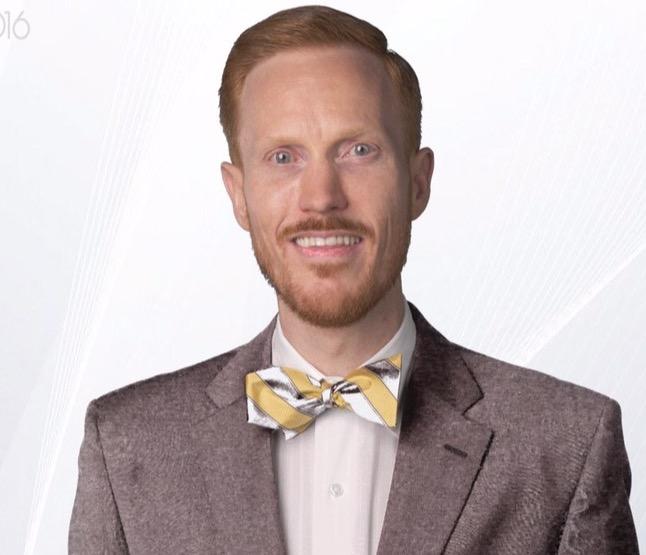
On March 25, 2015, Dr. Ivan Sascha Sheehan – Associate Professor of Public and International Affairs – spoke at a bipartisan congressional briefing in the United States Senate on a panel featuring Senator Joseph Lieberman (former candidate for Vice President of the United States), Senator Chuck Schumer, Senator Gary Peters, and distinguished military leaders and academics. Dr. Sheehan’s talk addressed matters related to the ongoing P5+1 nuclear discussions with Iran and the prospect of regime change from within.

Dr. Sheehan is the Director of the graduate programs in Negotiations and Conflict Management and Global Affairs and Human Security in the College of Public Affairs at the University of Baltimore.

Several of his recently authored studies on U.S.-Iran policy can be accessed @:

SHEEHAN: What Is “Regime Change From Within?” Unpacking the Concept in the Context of Iran | Digest of Middle East Studies | Fall 2014 | Vol. 23, Issue 2

SHEEHAN: Balancing Ends, Ways, and Means: The Case for Reviving Support for “Regime Change from Within” in Iran | The Journal on Terrorism and Security Analysis | Syracuse University | Spring 2015 | 10th Edition

For additional research or media related updates or to learn more, follow Dr. Sheehan on Twitter @ProfSheehan or link to his research profiles.

 #About / #News / #Scholarship /

SHEEHAN: Balancing Ends, Ways, and Means: The Case for Reviving Support for ‘Regime Change from Within’ in Iran | The Journal on Terrorism and Security Analysis | Syracuse University | Spring 2015 | 10th Edition

Posted in 9-11, afghanistan, analysis, arak, ashraf, assad, baghdad, ballistic missiles, bioterrorism, brussels, camp liberty, chemical weapons, CIA, civil unrest, clinton, congress, council on foreign relations, counterinsurgency, counterterrorism, covert, crimes against humanity, debate, delisting, democracy, deterrence, diplomacy, dissident, Dr. Ivan Sascha Sheehan, european union, fordow, foreign policy, foreign policy analysis, freedom, fundamentalism, geneva, global, haider al-abadi, hostages, human rights, human security, IAEA, intelligence, international relations, international security studies, iran, iraq, irgc, ISIS, israel, Ivan Sascha Sheehan, kerry, kurd, maliki, media, MEK, MI6, middle east, military, mossad, mousavi, natanz, NCRI, negotiation, netanyahu, nuclear, obama, P5+1, paris, PMOI, policy, political science, politics, preemptive, Professor Ivan Sascha Sheehan, protest, qum, rajavi, regime change, regime change from within, research, rouhani, sanctions, security studies, senate foreign relations committee, sheehan, shiite, state department, strike, sunni, syria, tehran, terror tagging, terrorism, threat, u.s. foundation for liberty, unrest, war, weapons, white house, yemen, zakaria, zarif with tags , , on March 7, 2015 by Professor Sheehan

#Media / #News / #Scholarship / #Inquiries / #UB

This slideshow requires JavaScript.

SHEEHAN: Balancing Ends, Ways, and Means: The Case for Reviving Support for “Regime Change from Within” in Iran | The Journal on Terrorism and Security Analysis | Syracuse University | Spring 2015 | 10th Edition

As a March 31 deadline looms and world powers scramble to negotiate over Iran’s nuclear program – and on the heels of Israeli Prime Minister Benjamin Netanyahu’s warnings to a joint session of Congress this week – Dr. Ivan Sascha Sheehan has published his latest paper titled Balancing Ends, Ways, and Means: The Case for Reviving Support for ‘Regime Change from Within’ in Iran in The Journal on Terrorism and Security Analysis (Syracuse University). In the paper he argues that “the U.S. needs to abandon the idea that pressure on Iran in the form of support for “regime change from within” will only derail talks. As Kenneth Pollack has pointed out, Iran does not moderate when the pressure is off but when it is high.

Excerpt: The regime’s expanding use of proxies to destabilize its neighbors is another matter of urgent concern. Iran still provides small arms shipments and training to the Taliban in Afghanistan. In addition, and despite its pledge to support Iraq’s stabilization, it gives regular guidance and training to Shia militants in Iraq. It has also deployed several hundred military specialists, including senior Quds Force commanders to Syria and is believed to have spent billions of dollars to support the Assad regime as it continues its brutal crackdown on the Syrian people, a crackdown that has resulted in the deaths of more than 70,000 civilians. Additionally, Iran has been sending weapons to secessionist movements to foment dissent and destabilize Yemen. These activities too are unlikely to stop in the presence of a nuclear deal, if one occurs. As Iran’s supreme leader, Ali Khamenei, indicated as recently as November 2013, Iran is determined on “challenging the influence of America in the region and extending its own influence”and it does not appear to be inclined to change how it pursues its influence “one iota.” 

Further, to support these activities and defend against potential fallout, Iran has intensified a brutal crackdown on its own citizens. While the regime’s record on human rights has always been poor, its repression of ordinary Iranians reached new heights in the wake of the disputed elections of 2009. Protestors were arrested en masse, tortured, raped and killed in prison. Today, as many as 500 Iranian dissidents, including minority rights and women’s activists, are still behind bars. Leading opposition figures such as Mir Hossein Mousavi, Mehdi Karroubi, and Zahra Rahnavard have now been held under house arrest for three years without charges or trial, and “despite President Rouhani’s numerous promises to respect people’s rights following his June 2013 electoral victory,” serious rights abuses continue. One of the most alarming trends is the surge in executions. Iran is now ranked number one, above China, in executions per capita. According to Ahmed Shaheed, Iran’s UN special rapporteur for human rights, 176 people were put to death in January, February, and early March of 2014 alone. Several were executed in public and many sources believe the numbers are much higher. According to other reports, including the Human Rights Documentation Center, more than 500 people have been executed since Rouhani took office. These trends, coupled with the regime’s record of arbitrary detention and unfair trials, discrimination against minorities, mistreatment of political prisoners and restrictions on freedom of expression, led the UN Secretary General, Ban Ki-moon, to deliver a sharp rebuke to Iran’s president, Hassan Rouhani, as recently as March 2014. The problem is that such abuses not only affect individuals and communities. In “a world of complex interdependencies and trans-border activities,” they also have “spillover effects.” In particular they can increase the flow of refugees with destabilizing effects in neighboring countries. In addition, as Tim Dunne points out they “diminish the constraining capacity of key norms” and in the process give a “green light” to other states to engage in similar repression in blatant violation of international standards of behavior.

Access a full PDF of the newly published article here.

For additional research or media related updates or to learn more, follow Dr. Sheehan on Twitter @ProfSheehan.

 #About / #News / #Scholarship /

Sheehan to Speak at 2015 Middle East Dialogue

Posted in 9-11, afghanistan, analysis, arak, ashraf, baghdad, bioterrorism, chemical weapons, CIA, congress, counterterrorism, data, databases, democracy, digest of middle east studies, dissident, DOMES, education, evidence-based, foreign policy, foreign policy analysis, fundamentalism, global, homicidality scale, IAEA, intelligence, international relations, international security studies, international studies association, iran, iraq, irgc, ISA, ISIS, kerry, killing, media, MEK, MI6, middle east, middle east dialogue, murder, NCRI, New Orleans, nuclear, P5+1, paris, peace, PMOI, policy, policy studies organization, politics, protest, regime change, regime change from within, research, rouhani, sanctions, scholarly, sectarian conflict, security studies, senate, senate foreign relations committee, sheehan, shiite, social science, state department, strike, suicide terrorism, sunni, syria, teaching, tehran, terror tagging, terrorism, threat, u.s. foundation for liberty, unrest, war, weapons, westphalia press, white house with tags , , , , , , on November 17, 2014 by Professor Sheehan

#Media / #News / #Scholarship / #Inquiries / #UBPolicy Studies Organization

Dr. Ivan Sascha Sheehan has been invited to speak at the 2015 Middle East Dialogue, a conference hosted by the Policy Studies Organization on February 26, 2015. The annual meeting — held at the historic Whittemore House in Washington, D.C. — attracts academics, analysts, and government officials with an interest in policy issues impacting the Middle East.

Dr. Sheehan’s presentation – “Suicide Terrorism: Competing Explanations and Policy Implications for the Middle East” – will feature the results of his forthcoming study in a special issue of the journal Clinical Innovations in Neuroscience (“Suicide Terrorism: A Critical Assessment of the Evidence”). The presentation will challenge the conventional thinking on suicide terrorism in the Political Science and International Relations literatures by examining the theoretical and empirical evidence for and against the possibility that suicide terrorists may suffer from psychopathology.

This is Dr. Sheehan’s third time presenting at the Middle East Dialogue (2013, 2014, 2015). He has also twice published in the peer-reviewed journal Digest of Middle East Studies (2013, 2014) and also in a Policy Studies Organization edited volume (2014).

In February 2015, Dr. Sheehan is also scheduled to speak at the Annual Meeting of the International Studies Association in New Orleans where he will discuss his latest study on regime change in Iran, as well as serve as a chair and discussant for other panels related to his scholarship.

Stay tuned for updates and follow Dr. Sheehan on Twitter @ProfSheehan

 #About / #News / #Scholarship /

Sheehan to Speak at International Studies Association Conferences in 2014 & 2015

Posted in afghanistan, analysis, arak, ashraf, assad, baghdad, ballistic missiles, bioterrorism, camp liberty, chemical weapons, CIA, civil unrest, clinton, college of public affairs, counterterrorism, covert, crimes against humanity, debate, delisting, democracy, deterrence, digest of middle east studies, diplomacy, dissident, DOMES, education, european union, evidence-based, fordow, foreign policy, foreign policy analysis, freedom, fundamentalism, global, haider al-abadi, hostages, human rights, human security, IAEA, intelligence, international relations, international security studies, international studies association, iran, iraq, ISA, ISIS, israel, kerry, kurd, maliki, media, MEK, MI6, middle east, military, mossad, mousavi, natanz, NCRI, negotiation, New Orleans, nuclear, obama, P5+1, paris, PMOI, policy, politics, preemptive, protest, rajavi, regime change, research, rouhani, sanctions, scholarly, sectarian conflict, security studies, sheehan, shiite, social science, state department, strike, sunni, syria, tanter, teaching, tehran, terror tagging, terrorism, threat, turkey, u.s. foundation for liberty, university of baltimore, unrest, war, warships, weapons, white house, zarif with tags , , on September 20, 2014 by Professor Sheehan

#Media / #News / #Scholarship / #Inquiries / #UB

Dr. Ivan Sascha Sheehan has been invited to speak at several international meetings organized by the International Studies Association in 2014 and 2015. In addition to delivering papers, Dr. Sheehan has also been asked to serve as a chair and discussant for panels on a range of topics related to his research. Panel I / Panel II / Panel III

2015 International Studies Association 56th Annual Convention
Global IR & Regional Worlds: A New Agenda for Int’l Studies
New Orleans, Louisiana / #PDF
February 18th – 21st, 2015

  • International Studies Association’s 56th Annual Convention, Global IR and Regional Worlds: A New Agenda for International Studies. “What is “Regime Change from Within?” Unpacking the Concept in the Context of Iran.” At Panel on “Vying for regional supremacy in the Middle East: Iran, Saudi Arabia and Turkey,” New Orleans, Louisiana. February 18-21, 2015.
  • Chair, International Studies Association’s 56th Annual Convention, Global IR and Regional Worlds: A New Agenda for International Studies. At Panel on “Networks, violence and non-state actors,” New Orleans, Louisiana. February 18-21, 2015.
  • Discussant, International Studies Association’s 56th Annual Convention, Global IR and Regional Worlds: A New Agenda for International Studies. At Panel on “Effective Counterterrorism Strategies: Causes, Connections, and Innovations,” New Orleans, Louisiana. February 18-21, 2015.

2014 International Studies Association Northeast Annual Conference
Concept & Conceptualization in International Relations
Baltimore, Maryland / #PDF
November 7th – 8th, 2014

  • International Studies Association (Northeast Regional Meeting), At Panel on Conflict and Healing. “Untangling the Concept of Regime Change from Within,” Baltimore, MD, November 7-8, 2014.
  • Chair/ Discussant, International Studies Association (Northeast Regional Meeting), At Panel on Terrorism, September 15, 2014, Baltimore, MD, November 7-8, 2014.

Stay tuned for additional details as they become available.

 #About / #News / #Scholarship /

SHEEHAN: Iran is the Real Middle East Threat | The Hill | Commentary

Posted in analysis, ankara, arak, ashraf, assad, baghdad, ballistic missiles, bioterrorism, bipartisan, bloomberg, BloombergTV, brussels, camp liberty, chemical weapons, CIA, civil unrest, clinton, college of public affairs, congress, counterterrorism, covert, crimes against humanity, delisting, democracy, deterrence, diplomacy, dissident, european union, farsi, fordow, foreign policy, foreign policy analysis, freedom, fundamentalism, geneva, global, haider al-abadi, hostages, human rights, human security, IAEA, intelligence, international relations, international security studies, interview, iran, iraq, irgc, ISIS, israel, kerry, killing, kurd, maliki, media, MEK, metu, MI6, middle east, military, mossad, natanz, NCRI, negotiation, netanyahu, nuclear, obama, P5+1, paris, peace, PMOI, policy, politics, preemptive, protest, putin, qum, quoted, rajavi, regime change, republican, research, rouhani, sanctions, scholarly, sectarian conflict, security studies, senate, senate foreign relations committee, sheehan, shiite, state department, strike, sunni, syria, tanter, teaching, tehran, terror tagging, terrorism, the hill, threat, turkey, u.s. foundation for liberty, ukraine, uncategorized, university of baltimore, unrest, war, weapons, white house, wocmes, zarif with tags , , , , , on August 25, 2014 by Professor Sheehan

Press Release -- International Affairs Professor: U.S. Must Keep an Eye on Iran

This slideshow requires JavaScript.

#Media / #News / #Scholarship / #Inquiries / #UB

SHEEHAN: Iran is the Real Middle East Threat | The Hill | Commentary

While presenting at the World Congress of Middle East Studies in Turkey on August 19, Dr. Ivan Sascha Sheehan published an article in the congressional newspaper The Hill on Iraq, Iran, ISIS and the growing unrest on the Iraqi street. In the article, he questioned whether White House officials have a plan to counter the larger threat posed by the Islamic Republic of Iran.

“…U.S. policy on Iran must ensure significant consequence for continued Iranian interference in Iraq. The failure to act against Assad by enforcing the red line in Syria or push back on Putin’s adventures in Ukraine diminished U.S. credibility and squandered valuable influence. But Congress can correct these missteps by insisting that the White House lean in on Iran by giving the ayatollahs a new problem to keep them busy.

Since Tehran fears internal threats more than external ones, U.S. legislators should embrace a policy of regime change from within via Iran’s organized opposition.

Obama’s declaration that there is no military solution to Iraq’s troubles and that a legitimate Iraqi government must be established is an accurate diagnosis insofar as it goes. But the intoxication resulting from a combination of U.S. impotence, Iranian interference, and Iraqi frustration will only lead to continued regional instability.

Solving the Iraq puzzle requires that U.S. officials double down on the real threat in the Middle East and increase the prospect of collapse in Tehran.” #PDF

You can learn more about Dr. Sheehan’s recent media appearances in a University of Baltimore press release.

Please also stay tuned for forthcoming publications in fall 2014 on topics related to regime change in Iran and suicide terrorism.

 #About / #News / #Scholarship /

Sheehan Interviewed on Iranian Nuclear Crisis

Posted in analysis, arak, ashraf, assad, baghdad, ballistic missiles, bipartisan, bloomfield, brussels, chemical weapons, CIA, clinton, college of public affairs, congress, counterterrorism, covert, crimes against humanity, delisting, democracy, diplomacy, dissident, european union, fordow, foreign policy, foreign policy analysis, Fox, freedom, geneva, gingrich, global, hostages, human rights, human security, IAEA, intelligence, international relations, international security studies, interview, iran, iraq, kerry, maliki, media, MEK, MI6, middle east, NCRI, negotiation, nuclear, obama, P5+1, paris, PMOI, policy, politics, preemptive, protest, qum, rajavi, regime change, research, sanctions, security studies, senate, senate foreign relations committee, sheehan, state department, stimson center, strike, syria, tehran, terror tagging, terrorism, threat, u.s. foundation for liberty, university of baltimore, unrest, war, weapons on July 3, 2014 by Professor Sheehan


This slideshow requires JavaScript.

#Media / #News / #Scholarship / #Inquiries / #UB

Dr. Ivan Sascha Sheehan was recently interviewed by the University of Baltimore Magazine on the Iranian nuclear situation and a monograph authored with Ambassador Lincoln P. Bloomfield, Jr. titled The Mujahedin-e Khalq (MEK) – Shackled by a Twisted History. Several thousand copies of the monograph were provided to members of Congress, White House officials, and the Intelligence Community.

You can read Dr. Sheehan’s Foreword here.

The monograph received endorsements from senior former US officials, including:

  • General George W. Casey, Jr.
  • Lieutenant General Dell L. Dailey
  • General James L. Jones
  • Judge Michael B. Mukasey
  • Dr. Mitchell B. Reiss
  • Governor Bill Richardson

 #About / #News / #Scholarship /
Sheehan Presenting at 2014 World Congress of Middle Eastern Studies

Posted in analysis, ankara, arak, ashraf, assad, baghdad, ballistic missiles, brussels, chemical weapons, CIA, clinton, college of public affairs, conflict resolution, congress, courses, covert, crimes against humanity, debate, delisting, democracy, digest of middle east studies, diplomacy, dissident, DOMES, education, european union, evidence-based, fordow, foreign policy, foreign policy analysis, global, hostages, human rights, human security, IAEA, intelligence, international relations, international security studies, iran, iraq, kerry, maliki, media, MEK, metu, MI6, middle east, middle east dialogue, military, mossad, natanz, NCRI, negotiation, nuclear, obama, P5+1, paris, PMOI, policy, policy studies organization, politics, protest, qum, rajavi, regime change, research, rhetoric, sanctions, scholarly, security studies, sheehan, social science, state department, syria, tanter, tehran, terror tagging, terrorism, threat, turkey, united kingdom, university of baltimore, unrest, war, weapons, wocmes, zarif on June 19, 2014 by Professor Sheehan

#Media / #News / #Scholarship / #Inquiries

2014 World Congress of Middle East Studies / Strategies for Change in the Middle East: Clarifying the Contested Concept of Regime Change from Within / Panel on Democracy and Reform in Iran from a Historical Perspective / August 18-22, 2014 / Middle East Technical University (METU)

Dr. Ivan Sascha Sheehan has been invited to Ankara, Turkey to present at the 2014 World Congress of Middle East Studies (WOCMES) between August 18-22, 2014. The symposium will be held at Middle East Technical University (METU), one of Turkey’s leading universities. Dr. Sheehan is scheduled to present a paper titled Strategies for Change in the Middle East: Clarifying the Contested Concept of Regime Change from Within.

Presentation Abstract: The term “regime change from within” has become increasingly popular in opposition and policy discourse, especially in relation to the Islamic Republic of Iran. It has also begun entering the academic literature. But what does it mean? Despite its increasing use “regime change from within” is rarely defined and scant scholarly attention to date has been paid to defining it. This is problematic since, as an “umbrella concept,” the term can be stretched to include a wide variety of discrepant processes. In fact, “regime change from within” has been used as a holder for democracy promotion efforts within a country that start both inside and outside a country, as well as indigenous efforts that exclude outside support, to highlight the need for radical change, and more vaguely to call for “continuous” change or reform. This paper argues that coherent strategic policy demands better articulation of the meaning of the term. As a first step, the paper traces the evolution of use of the term “regime change from within,” tries to unpack its components, and develops a preliminary framework that partitions the concept into ends (vision) and means (strategy) to assess its utility for policy.

Stay tuned for two forthcoming articles by Dr. Sheehan:

SHEEHAN: What is “Regime Change from Within?” Unpacking the Concept in the Context of Iran | Digest of Middle East Studies | Fall 2014

SHEEHAN: Balancing Ends, Ways, and Means: The Case for Reviving Support for “Regime Change from Within” in Iran | Under Review

More on Dr. Sheehan’s research can be found at the below links.

 #About / #News / #Scholarship /

Sheehan Policy Recommendations Featured on Iranian Television

Posted in analysis, arak, ashraf, assad, baghdad, ballistic missiles, brussels, chemical weapons, CIA, clinton, congress, counterterrorism, covert, crimes against humanity, delisting, democracy, diplomacy, dissident, european union, farsi, fordow, foreign policy, foreign policy analysis, freedom, geneva, global, hostages, human rights, human security, IAEA, intelligence, international security studies, iran, iraq, israel, kerry, maliki, media, MEK, MI6, middle east, military, mossad, natanz, NCRI, negotiation, netanyahu, nuclear, obama, P5+1, paris, peace, PMOI, policy, preemptive, protest, qum, rajavi, regime change, sanctions, security studies, senate, senate foreign relations committee, sheehan, state department, strike, syria, tehran, terrorism, the hill, threat, u.s. foundation for liberty, unrest, war, weapons, white house, zakaria, zarif on February 25, 2014 by Professor Sheehan

#About / #Media / #News / #Scholarship / #Inquiries

The segment featuring Dr. Ivan Sascha Sheehan begins at 00.45

This slideshow requires JavaScript.

UPDATE: 2/25 – See Farsi Translation

 #About / #News / #Scholarship /
SHEEHAN: Face the Facts on Iran Agreement | The Hill | Commentary

Posted in analysis, arak, ashraf, assad, baghdad, ballistic missiles, bipartisan, chemical weapons, CIA, clinton, congress, counterterrorism, covert, crimes against humanity, delisting, democracy, diplomacy, dissident, european union, fordow, foreign policy, foreign policy analysis, Fox, freedom, geneva, gingrich, global, hostages, human rights, human security, IAEA, intelligence, international relations, international security studies, iran, iraq, israel, kerry, maliki, media, MEK, MI6, middle east, military, mossad, murder, natanz, NCRI, negotiation, netanyahu, nuclear, obama, P5+1, paris, PMOI, policy, politics, preemptive, protest, qum, rajavi, regime change, sanctions, security studies, senate, senate foreign relations committee, sheehan, state department, strike, syria, tehran, terrorism, the hill, threat, u.s. foundation for liberty, war, warships, weapons, white house, zakaria, zarif on February 20, 2014 by Professor Sheehan

#About / #Media / #News / #Scholarship / #Inquiries
SHEEHAN: Face the Facts on Iran Agreement | The Hill | Commentary

As world powers gather in Vienna to discuss a comprehensive agreement to curtail Tehran’s nuclear program, Dr. Ivan Sascha Sheehan is published in the The Hill on what Congress can do to correct White House missteps on Iran policy.

As the White House rolls the dice on a permanent pact and embraces the failed strategy of appeasement, Congress should place a check on the administration’s unwillingness to face the facts.

A nuclear compromise with Tehran will surrender the peace, not secure it. #PDF

UPDATE: 2/25 – This article was translated into Farsi and reprinted for a global audience. The policy recommendations were also featured Iranian National Television. Details soon.

 #About / #News / #Scholarship /
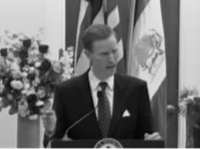
SHEEHAN: Facing the Facts on the Iran Agreement | Townhall.com | Commentary

Posted in analysis, arak, ashraf, assad, baghdad, ballistic missiles, bipartisan, chemical weapons, CIA, congress, counterterrorism, covert, crimes against humanity, delisting, democracy, diplomacy, dissident, european union, fordow, foreign policy, foreign policy analysis, freedom, geneva, gingrich, global, hostages, human rights, human security, IAEA, intelligence, international relations, international security studies, iran, iraq, israel, kerry, maliki, media, MEK, MI6, middle east, military, mossad, murder, natanz, NCRI, negotiation, netanyahu, nuclear, obama, P5+1, paris, peace, PMOI, policy, politics, protest, qum, rajavi, regime change, republican, sanctions, security studies, senate, senate foreign relations committee, sheehan, soldier, state department, strike, syria, tehran, terrorism, threat, u.s. foundation for liberty, unrest, war, weapons, white house, zarif on February 11, 2014 by Professor Sheehan

#About / #Media / #News / #Scholarship / #Inquiries

SHEEHAN: Facing the Facts on the Iran Agreement | Townhall.com | Commentary

Dr. Ivan Sascha Sheehan is published at Townhall.com on February 11 on why Congress must pass the Nuclear Weapons Free Iran Act as well as protect the intelligence capabilities of the Iranian opposition detained in Iraq.

The U.S. policy of engagement with the Iranian regime at the expense of concerns raised by key allies – including Israel and Saudi Arabia – has chilled U.S. relations with global partners and strengthened Tehran’s hand in ongoing discussions with the five permanent members of the U.N. Security Council and Germany.

Iranian interpretations of the interim agreement have somehow preserved the domestic perks of the arrangement – including access to currency and the lifting of sanctions – while necessitating few of the actual obligations that would serve regional security interests.

Update: 2/26 – Syndicated in the Augusta Free Press

 #About / #News / #Scholarship /
Continue reading

SHEEHAN: Stiffen the Penalties on Iranian Non-Compliance | The Hill | Commentary

Posted in analysis, arak, ashraf, assad, baghdad, bipartisan, chemical weapons, CIA, clinton, congress, counterterrorism, covert, crimes against humanity, delisting, democracy, diplomacy, dissident, european union, fordow, foreign policy, foreign policy analysis, framing, freedom, geneva, gingrich, global, hostages, human rights, human security, IAEA, intelligence, international relations, international security studies, iran, iraq, israel, kerry, maliki, media, MEK, MI6, middle east, military, mossad, murder, natanz, NCRI, negotiation, netanyahu, nuclear, obama, P5+1, paris, peace, PMOI, policy, politics, protest, qum, rajavi, regime change, sanctions, senate, senate foreign relations committee, sheehan, state department, syria, tehran, terrorism, the hill, threat, u.s. foundation for liberty, unrest, war, weapons, white house, zarif on January 20, 2014 by Professor Sheehan

#About / #Media / #News / #Scholarship / #Inquiries

SHEEHAN: Stiffen the Penalties on Iranian Non-Compliance | The Hill | Commentary

Dr. Ivan Sascha Sheehan is published in the congressional newspaper The Hill on January 20 on the merits of the U.S. Senate enacting bipartisan legislation to address shortcomings in White House Iran policy.

The president’s first-term foreign policy pragmatism has regrettably given way to a global passivity that has increased instability in the Middle East.

Syria and Iraq are ablaze with bloody civil wars, Tehran is facilitating al Qaeda in Iraq’s foothold, and Shiite domination of political rivals has gone unchallenged.

Obama’s rhetorical goal of peacefully terminating Iran’s nuclear weapons program is admirable but negotiations without mechanisms to ensure verification are a fool’s endeavor and bargaining without extracting meaningful concessions is a rookie mistake.

Ivan Sascha Sheehan, Ph.D.

The writer is director of the Negotiations and Conflict Management and Global Affairs and Human Security graduate programs in the College of Public Affairs at the University of Baltimore. #Image1 / #Image2 / #Image3

 #About / #News / #Scholarship /

SHEEHAN: Mandela’s Legacy Lives on in Iranian Resistance – Townhall.com – Commentary

Posted in analysis, arak, ashraf, assad, baghdad, chemical weapons, CIA, clinton, congress, counterterrorism, covert, crimes against humanity, delisting, democracy, diplomacy, dissident, foreign policy, foreign policy analysis, framing, freedom, geneva, global, hostages, human rights, human security, IAEA, intelligence, international relations, iran, iraq, israel, kerry, maliki, mandela, media, MEK, MI6, military, murder, NCRI, nuclear, obama, P5+1, paris, peace, PMOI, policy, politics, protest, rajavi, regime change, sanctions, sheehan, state department, strike, syria, tehran, terrorism, the hill, threat, u.s. foundation for liberty, unrest, war, weapons, white house on December 10, 2013 by Professor Sheehan

#Media / #News / #Scholarship / #Inquiries

SHEEHAN: Mandela’s Legacy Lives on in Iranian Resistance – Townhall.com – Commentary

As the international community commemorates Human Rights Day and world leaders gather to mourn the loss of former South African President Nelson MandelaDr. Ivan Sascha Sheehan takes to Townhall.com to contend that Mandela’s commitment to freedom and human rights lives on in the Iranian opposition.

UPDATE: 12/13Syndicated @ The Hill

Speaking from the White House briefing room shortly after Mandela’s passing, President Obama remembered his fellow Nobel Peace Prize recipient as a “a man who took history in his hands and bent the arc of the moral universe toward justice.” Mandela’s principles – like those of the Iranian opposition – were forged in the crucible of injustice, exclusion, imprisonment, and exile. Like the Iranian opposition, he challenged the terror tag used to delegitimize his country’s quest for freedom. And like the Iranian opposition he rejected overtures that failed to address non-negotiable issues of injustice, asymmetry, and human rights. His tireless commitment to peace and justice inspired both hopes and fears but the long road to freedom he charted provides the contemporary architecture that inspires democratic movements seeking regime change from within.

 / #About / #InTheNews / #Scholarship

Continue reading

Turn up Heat on the Iranian Regime – The Hill – Commentary

Posted in analysis, arak, ashraf, assad, baghdad, chemical weapons, CIA, clinton, congress, counterterrorism, covert, crimes against humanity, delisting, democracy, diplomacy, dissident, european union, foreign policy, foreign policy analysis, freedom, geneva, gingrich, global, hostages, human rights, human security, IAEA, intelligence, international relations, international security studies, iran, iraq, israel, maliki, media, MEK, MI6, middle east, military, mossad, NCRI, negotiation, netanyahu, nuclear, obama, P5+1, paris, peace, PMOI, policy, politics, preemptive, protest, rajavi, reagan, regime change, republican, sanctions, security studies, sheehan, state department, strike, syria, tehran, terrorism, the hill, threat, unrest, war, weapons, white house, wsj, zarif on November 15, 2013 by Professor Sheehan

#Media / #News / #Scholarship / #Inquiries

SHEEHAN: Turn up Heat on the Iranian Regime in Advance of P5+1 – The Hill – Commentary

Dr. Ivan Sascha Sheehan takes the White House to task in The Hill for promoting a policy of engagement with the Iranian regime at the expense of concerns raised by key allies – thereby chilling U.S. relations with valuable global partners – and undermining U.S. security interests.

Wendy Sherman, the administration’s trusted Iran hand, appears intent to reach an agreement at all cost. Her recent efforts to convince the U.S. Congress to back off the sanctions that forced Iran to the negotiating table in the first place were as naïve as they were ill conceived. Sanctions imposed under a provision of the 2011 Defense Authorization Act known as the Kirk-Menendez Amendment crippled Iran’s economy and facilitated the regime’s current crisis. Far from being paused, eased, or lifted, the penalties should be increased, extended and enhanced to further ensure Iranian compliance. Congress should ignore White House requests to delay further sanctions and turn up the heat on the regime by slashing oil exports and targeting the Iranian currency.

 / #About / #InTheNews / #Scholarship

Sheehan to Participate in Twitter Q&A

Posted in analysis, ashraf, assad, baghdad, briefing, brussels, chemical weapons, CIA, clinton, congress, counterterrorism, covert, crimes against humanity, delisting, democracy, diplomacy, dissident, european union, foreign policy, foreign policy analysis, freedom, global, hostages, human rights, human security, intelligence, international relations, international security studies, iran, iran policy committee, iraq, killing, maliki, media, MEK, MI6, middle east, military, mossad, murder, NCRI, negotiation, nuclear, obama, paris, peace, PMOI, policy, politics, preemptive, protest, rajavi, regime change, research, sanctions, scholarly, security studies, sheehan, state department, strike, syria, tehran, terrorism, the hill, threat, twitter, u.s. foundation for liberty, war, weapons, white house on October 31, 2013 by Professor Sheehan

TWITTER Q&A – DR. IVAN SASCHA SHEEHAN (@ProfSheehan)

– OCTOBER 31 @ 12:00 – 1:00 PM (USA EST)

On the eve of Iraqi Prime Minister Nouri al Maliki’s visit with U.S. President Barack Obama, Dr. Ivan Sascha Sheehan will participate in a Twitter Q&A hosted by the National Council of Resistance of Iran (NCRI) Foreign Affairs Committee. You can participate in the live discussion by tweeting questions and comments to @iran_policy using the #FreeThe7.

Dr. Sheehan will address questions related to US-Iran policy, Iraqi complicity in recent violence directed at the Iranian opposition, and measures that must be taken in the U.S. Congress and by the White House to curtail Tehran’s pursuit of weapons of mass destruction.

Background Readings –

SHEEHANChallenging a Terrorist Tag in the Media: Framing the Politics of Resistance and an Iranian Opposition Group – Digest of Middle East Studies – Fall 2013 – Vol. 22, Issue 2

SHEEHAN: Use al-Maliki Visit to Send Iran a Clear Message – The Hill

SHEEHAN: Time for Scholars to Examine Iranian Opposition – UPI.com

SHEEHAN: During Debate on Syria, U.S. Officials Must Also Protect Iranian Opposition – Diplomatic Courier

Dr. Sheehan will also remark on recent appearances where he addressed matters related to Iran policy in the U.S. Congress as well as in the academic community.

Read more @ www.professorsheehan.com

 / #About / #InTheNews / #Scholarship

Use al-Maliki Visit to Send Iran a Clear Message – The Hill – Commentary

Posted in analysis, ashraf, assad, baghdad, chemical weapons, CIA, clinton, congress, counterterrorism, covert, crimes against humanity, delisting, democracy, diplomacy, dissident, european union, foreign policy, foreign policy analysis, freedom, gingrich, global, hostages, human rights, human security, intelligence, international relations, iran, iran policy committee, iraq, israel, killing, maliki, media, MEK, MI6, military, mossad, murder, NCRI, negotiation, nuclear, obama, paris, PMOI, policy, politics, preemptive, protest, rajavi, regime change, republican, rhetoric, sanctions, security studies, sheehan, state department, strike, syria, tehran, terrorism, the hill, threat, u.s. foundation for liberty, unrest, war, weapons, white house on October 24, 2013 by Professor Sheehan

SHEEHAN: Use al-Maliki Visit to Send Iran a Clear Message – The Hill – Commentary

In advance of Iraqi Prime Minister Nouri al Maliki’s visit to the U.S., Dr. Ivan Sascha Sheehan is published in The Hill on the need for the White House to press the Iraqi leader to explain the recent massacre of Iranian refugees in northeast Iraq and signal a decisive shift in policy toward Tehran.

Iraqi Prime Minister Nouri al-Maliki’s November 1 visit to Washington will say as much about the United States’ Iran policy as it does about future relations with Baghdad… Analysts will be watching closely to see if Mr. Obama leverages his influence over the leader that many are calling a puppet of the Iranian regime…

The meeting poses a dilemma for the Obama White House: Embrace the Iraqi leader and signal the Iranian regime that the U.S. will bless the unholy alliance between Tehran and Baghdad by turning a blind eye to the slaughter of Iranian dissidents; or reject the failed strategy of appeasement and engage Tehran – via Baghdad – from a position of strength.

 / #About / #InTheNews / #Scholarship